
When a Renovation Turns Into a Question: Is There Asbestos Here?
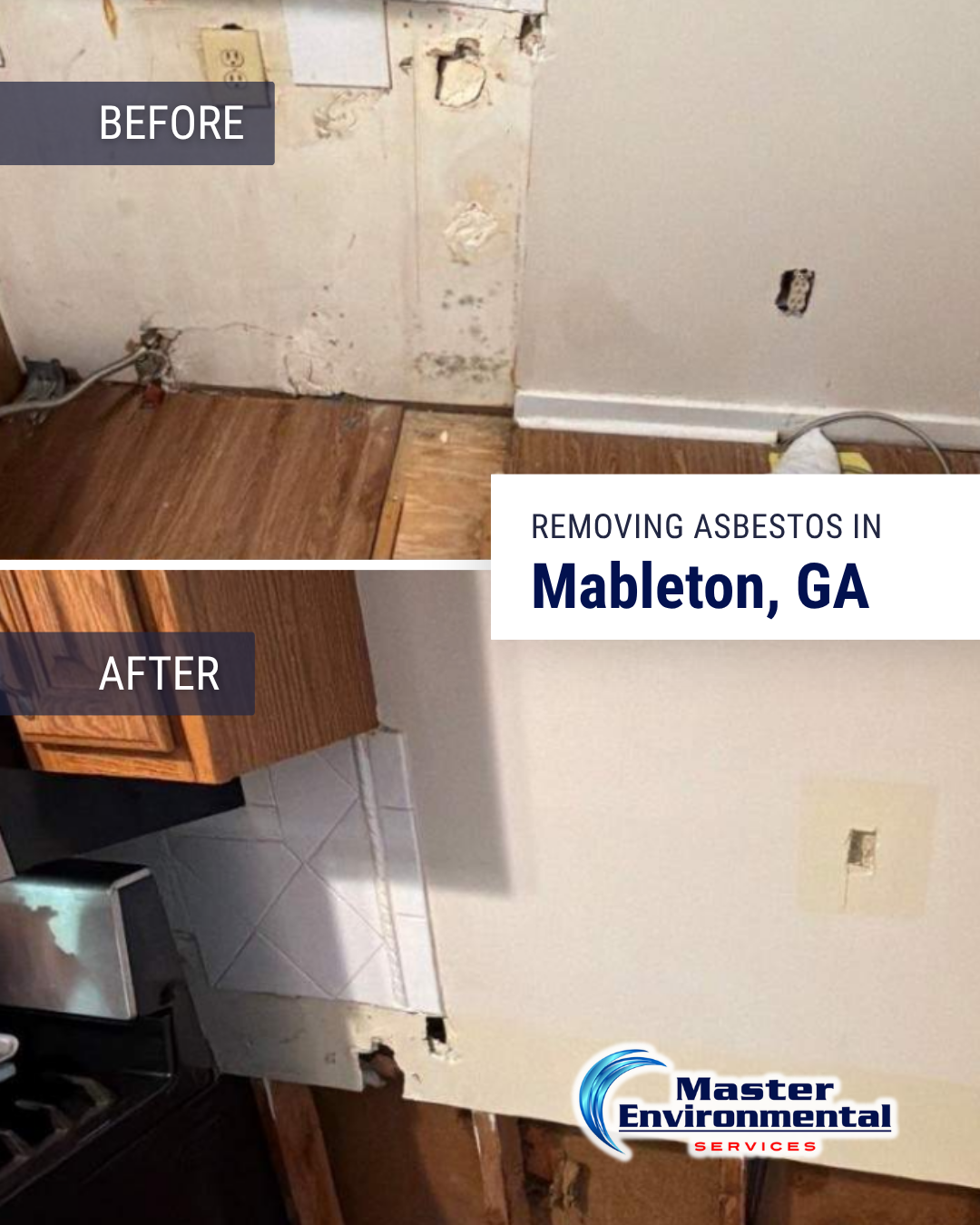
A Mableton, Georgia homeowner opened up a section of an aging wall to start a planned renovation and found deteriorating plaster and old wall material near the floor. They were concerned about the materials due to the age of the home and didn’t want to go forward with the project without getting some answers first.
This is where many homeowners get stuck. Is this just ordinary old drywall, or does it need to be handled differently? Homes built before the 1980s often contain asbestos in plaster, joint compound, floor tile, and insulation. These materials are generally safe as long as they’re left undisturbed, but the moment they’re cut, sanded, or torn out, they can release microscopic fibers into the air and endanger anyone in the area. Left alone, asbestos exposure can cause long-term health hazards including lung inflammation and several types of cancer.
The U.S. Environmental Protection Agency recommends testing any suspect material before disturbing it further (see the EPA link on our Resources page). Guess wrong and a routine renovation can turn into an air-quality and safety risk for the entire home.
Calling In The Experts
Unsure whether the material posed a risk, the homeowner called Master Environmental Services to find out exactly what was behind that wall before going any further. This is exactly the kind of uncertainty our team is built to resolve. We remove the guesswork by actually testing what’s there and giving homeowners a clear, lab-backed answer.
The Plan
For this Mableton home, the plan came down to three straightforward steps.
Sample and confirm. Before touching anything else, we collected samples of the suspect material and sent them out for lab testing to confirm whether asbestos was present, and if so, exactly where.
Contain and abate. Once the results came back positive, we sealed off the work zone, set up the required containment, and removed the affected material following regulated abatement procedures.
Hand off for reconstruction. With the material removed and the space cleared, the next contractor could rebuild with a clean, confirmed-safe area to work with.
The before-and-after photos tell the story: an uncertain, opened-up wall became a clean, defined work area.
What We Avoided
Skipping straight to a patch-and-repaint job on a wall like this carries substantial health risks, and asbestos-carrying fibers can end up in the air long before anyone realizes there’s a problem. By testing first and containing the area properly, this homeowner sidestepped that exposure and avoided paying for a far more expensive remediation down the road.
Suspect Material in Your North Georgia Home?
Every renovation project is different, and the right response depends on the age of the home, the material involved, and what testing actually finds. The goal is always the same: know what you’re dealing with before you disturb it.
If a renovation has uncovered old material you’re not sure about, don’t assume it’s safe to disturb just because it looks like ordinary drywall or plaster. Having the area tested can help you understand what needs to happen before repairs begin.
Contact Master Environmental Services to discuss your property and determine the right next steps.